Disposal rules in Kingston: council fines and penalties
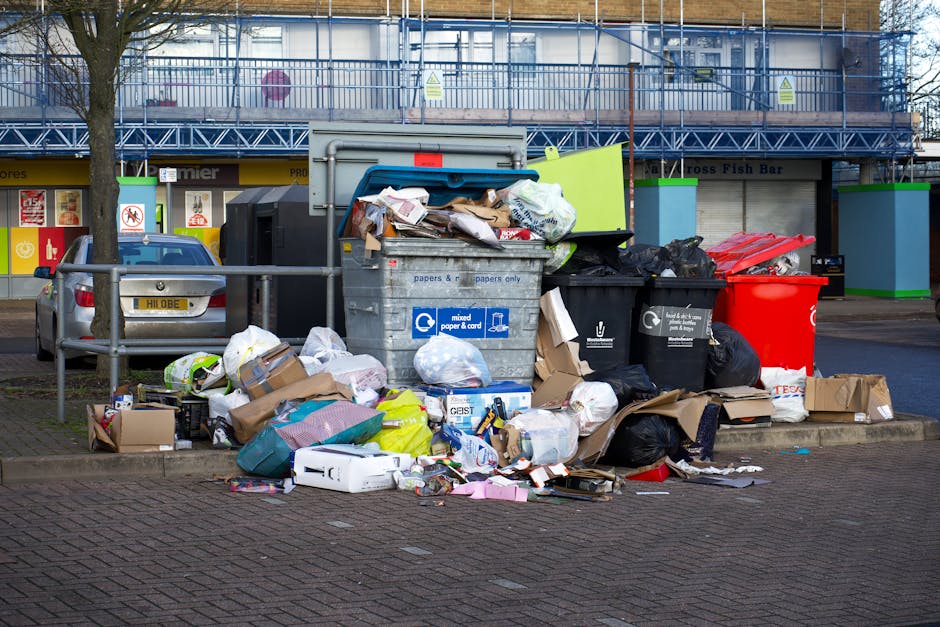
If you have ever left a broken sofa by the kerb, stuffed a few black bags into the wrong bin, or wondered whether a bulky item can "just go out later," you are not alone. But in Kingston, disposal rules are taken seriously, and the council can issue fines and penalties when rubbish, recycling, fly-tipped items, or commercial waste are handled badly. This guide explains the practical side of Disposal rules in Kingston: council fines and penalties in plain English, so you can avoid costly mistakes and dispose of waste the right way.
Whether you are clearing a flat, moving house, running a small business, or dealing with a one-off furniture removal, the same principle applies: know what you are throwing away, where it belongs, and who is responsible for it. Let's face it, waste disposal sounds boring until a fixed penalty lands on your mat. Then it gets very interesting, very quickly.
This article covers the rules, common mistakes, how penalties usually arise, and the best ways to stay on the right side of Kingston's waste requirements. You will also find a checklist, a comparison table, and practical tips that can save time, stress, and money.
- Why the rules matter
- How disposal enforcement works
- Benefits of getting it right
- Who needs this guidance
- Step-by-step guidance
- Expert tips
- Common mistakes to avoid
- Tools, resources and recommendations
- Law, compliance and best practice
- Options and comparison
- Real-world example
- Practical checklist
- Conclusion
- Frequently asked questions
Why Disposal rules in Kingston: council fines and penalties Matters
Disposal rules are not just about tidiness. They protect streets, pavements, shared bin stores, estates, waterways, and public health. They also make life easier for residents who are doing the right thing, because one badly placed bag or dumped mattress can create a mess for everyone else. In Kingston, as in many London boroughs, the council expects waste to be separated, contained, and presented properly for collection or taken to an approved disposal route.
Why do fines and penalties matter so much? Because waste offences are often visible. A bin lid left open. A sofa abandoned near a wall. Cardboard stacked outside a shop after closing time. These are the sort of things that can trigger enforcement action fairly quickly. And once a problem is recorded, it rarely stays a small problem for long. Neighbours complain, streets look neglected, and the council may step in.
There is also a fairness issue. Most people pay attention to the rules and deal with waste responsibly. If a few people ignore them, the burden shifts to everyone else. That is one reason councils use penalties: to discourage dumping, improve compliance, and keep neighbourhoods liveable. You can almost hear the difference on a quiet street after a bulky clearance is done properly - less clatter, less mess, less frustration.
For households, the risk is usually accidental non-compliance: putting the wrong material out, leaving items too early, or misunderstanding what counts as household waste. For businesses, the risks are broader. Shops, offices, landlords, and contractors are expected to manage waste carefully, prove proper disposal where needed, and avoid using domestic bins for business rubbish. If you are planning a move, services like home moves or commercial moves can help reduce the chance of last-minute disposal mistakes.
How Disposal rules in Kingston: council fines and penalties Works
In practical terms, council enforcement tends to follow a simple pattern: the council spots a problem, checks whether a rule has been broken, and decides whether to educate, warn, request action, or fine. The exact route depends on the situation, the scale of the issue, and whether it looks deliberate or careless. Some situations are fixed quickly. Others are logged, inspected, and followed up.
The most common disposal issues usually fall into a few buckets:
- Fly-tipping - dumping waste in a street, alley, verge, or shared area.
- Improper presentation of household waste - overfilled bins, incorrect bags, or waste put out at the wrong time.
- Illegal commercial disposal - business waste placed in domestic bins or left on public land.
- Bulky waste abandonment - mattresses, wardrobes, white goods, and furniture left out without proper collection.
- Recycling contamination - putting non-recyclable items into recycling containers.
Penalties can vary depending on the offence. In some cases, the issue may start with a warning or a request to remove items immediately. In other cases, the council may issue a fixed penalty notice or take enforcement action under environmental legislation. If waste is linked to a business or a contractor, there may be additional expectations around duty of care and evidence of lawful disposal. That sounds formal, because it is.
A real-world example: a resident clears a flat on a Friday evening and leaves broken furniture beside the communal bins, assuming it will be collected "sometime over the weekend." By Monday morning, the items are still there. A neighbour complains, an inspection follows, and the council treats it as abandoned waste. The same result can happen with a shop that leaves packaging outside after trading hours. The lesson is simple - timing, location, and method all matter.
If you are moving or decluttering, using a structured service can make the whole process calmer. Something as straightforward as a man and van arrangement for safe transport, or furniture pick-up for bulky items, can help prevent waste from being left in the wrong place. Truth be told, a little planning usually costs less than fixing a penalty situation later.
Key Benefits and Practical Advantages
Following disposal rules properly is not just about avoiding fines. It makes the whole job easier, more predictable, and less stressful. That may sound obvious, but in practice it changes a lot.
- Reduced risk of council fines - the most direct benefit, and often the one people think about first.
- Cleaner property and street space - useful during moves, refits, clearances, or tenancy handovers.
- Less time lost dealing with complaints - especially for landlords and business owners.
- Better handling of bulky or awkward items - wardrobes, desks, beds, and mixed rubbish all need different treatment.
- Stronger neighbour relations - nobody enjoys looking at a bin area that smells, spills, or attracts pests.
- More predictable moving day - fewer surprises, fewer delays, fewer "where do we put this now?" moments.
There is also a practical money angle. A single penalty, or even the time spent resolving an avoidable issue, can cost more than arranging proper collection or removal in the first place. For households moving out, a coordinated approach with house removalists or packing and unpacking services may reduce the amount of waste left to sort at the end of the day. That is often where the mistakes happen, when everyone is tired and just wants the van loaded.
Expert summary: If waste is planned early, separated properly, and removed through the right route, the risk of council action falls sharply. The best outcome is usually the least dramatic one. No drama, no missed collection, no envelopes arriving later with bad news inside.
Who This Is For and When It Makes Sense
This topic matters to a wider group than people usually expect. It is not only for households with too much rubbish. The rules affect anyone who generates waste, even briefly.
Homeowners and tenants need to know what can go in bins, what needs separate disposal, and how to avoid leaving items outside too early. If you are ending a tenancy, the pressure is real. The room is half empty, there is dust under the wardrobe, and someone is still trying to tape up boxes. Easy to miss a rule in that moment.
Landlords and letting agents need to manage clearance, end-of-tenancy waste, and communal area issues carefully. A tenant's leftover items can become an enforcement headache if they are left in shared spaces.
Businesses need extra care because commercial waste cannot be treated casually. Office paper, packaging, old stock, display materials, and breakroom waste should not simply be left by a domestic bin. If you are shifting premises, office relocation services can be helpful because disposal and moving plans can be handled together instead of in two rushed stages.
Tradespeople and contractors must think about duty of care, leftover materials, and site clearance. The skip was full, the offcuts were piled neatly, but then someone left a small heap "just for now." That is the sort of phrase that causes trouble later.
Event organisers and community groups should also be careful. Temporary waste piles after events, stalls, or pop-ups can cause complaints very quickly. If you need to move items off-site, a service such as removal truck hire may be a better fit than trying to improvise with personal vehicles and crossed fingers.
Step-by-Step Guidance
If you want to avoid penalties, the best approach is to slow down for a moment and follow a simple process. Nothing fancy. Just orderly.
- Identify the waste type. Is it general household rubbish, recycling, food waste, bulky waste, electrical waste, or commercial waste?
- Separate what can be reused. Some items can be donated, resold, or passed on instead of thrown away.
- Check whether it belongs in a bin, a collection, or a special disposal route. Bulky items and electrical goods often need separate handling.
- Do not leave waste on public land. Pavements, shared entrances, alleyways, and road edges are common problem spots.
- Time the disposal properly. Put items out only when permitted, and keep collection areas tidy.
- Keep proof where relevant. For businesses and landlords, records of collection and disposal can be very useful.
- Use the right help for larger jobs. For example, a man with van option can be practical for moving items away from a property without leaving them outside.
A few small decisions make a big difference. For instance, if you are clearing a dining room and a pile of flat-pack cardboard, you may not need a major clearance operation - but you do need a plan for the cardboard, the old chairs, and the packaging tape. Mix them up and things get messy fast.
Try to work from the end backwards. Where will each item go? Who is taking it? When will it leave the property? If you can answer those three questions, you are usually on safer ground.
Expert Tips for Better Results
In our experience, the easiest disposal jobs are the ones that look boring on paper. The reason is simple: nothing is left to chance. Here are a few practical tips that make a real difference.
- Sort waste before moving day. Put labels on boxes or use separate piles for donate, recycle, dispose, and keep.
- Plan around bin capacity. Overflowing bins are one of the quickest ways to attract complaints.
- Keep communal areas clear. Hallways, shared bin stores, and front paths should stay accessible.
- Use bags and containers that actually hold up. Weak bags split open at the worst possible time. Usually in drizzle. Because of course.
- Take bulky waste seriously. A sofa or mattress left beside bins often looks abandoned even if you intended to move it later.
- Separate business waste from domestic waste. This is a common oversight and a costly one.
One useful habit is to do a final sweep before you leave any property. Look at the hallway, the loading area, the side return, and the pavement outside. If anything is sitting there that could be interpreted as dumped waste, move it. That quick check can save a lot of awkwardness.
If you are handling a larger clear-out, a service like moving truck hire can help you remove items in one controlled trip rather than several improvised runs. Fewer trips often mean fewer chances to leave something in the wrong place. Simple, really.
Common Mistakes to Avoid
Most penalties do not come from dramatic behaviour. They come from ordinary mistakes made when people are tired, rushed, or unsure. The good news? These are preventable.
- Leaving items on the pavement "for later." Even a short delay can become a complaint.
- Assuming bulky items can go with normal rubbish. They usually cannot.
- Using domestic bins for business waste. This is one of the clearest ways to create enforcement risk.
- Overfilling containers. If the lid cannot close, the waste is more likely to spill and attract attention.
- Mixing recyclables with contaminated waste. Wrong items can make a whole load non-compliant.
- Dumping packaging after a move. Cardboard stacks can get messy in a hurry, especially when it's windy outside.
- Ignoring shared-space rules. Flats and estates often have extra expectations around waste handling.
Here is the slightly annoying truth: "I didn't know" is rarely a satisfying defence if the waste is clearly visible. Councils tend to care about the outcome on the ground, not the intention behind it. That is why it is worth slowing down, even if only for ten minutes.
If you are unsure about a larger item, think before you act. Can it be reused? Can it be collected? Does it need separate handling? A bit of caution now is much easier than trying to unwind a penalty later.
Tools, Resources and Recommendations
You do not need specialist equipment to dispose of waste properly, but a few practical tools make the job far easier.
- Strong bags and containers: useful for separating materials and reducing spills.
- Labels or marker pens: handy for tagging what is to be recycled, donated, or removed.
- Measuring tape: surprisingly useful for bulky waste and vehicle planning.
- Gloves and basic protection: especially for dusty loft clearances, sheds, or storage spaces.
- Removal support: helpful when furniture, appliances, or mixed waste needs proper transport.
For many people, the right support is more practical than trying to juggle everything alone. If you are clearing a room full of furniture or moving old items out of a property, the furniture pick-up service can reduce the temptation to leave bulky waste outside. For heavier loads, removal truck hire can make compliance easier because everything leaves in one organised move.
If you want to better understand the company behind these services, you can also read about us. And if you need to ask a question about a specific disposal or move scenario, the contact us page is the sensible next step. No mystery, no drama.
For more general terms, policies, and the usual small print, the site's terms and conditions and privacy policy are there if you need them. Not the most thrilling reading, admittedly, but useful all the same.
Law, Compliance, Standards, or Best Practice
When talking about disposal rules in Kingston, the safest approach is to think in terms of general UK waste compliance and local council expectations. Exact enforcement decisions can vary, so it is sensible to avoid assuming a fixed outcome in every case. Councils usually expect waste to be handled in a way that is clean, lawful, and does not create nuisance or environmental harm.
Best practice usually includes the following:
- Do not abandon waste in public or shared spaces.
- Use the correct containers and collection arrangements.
- Keep waste secure so it does not spill, blow away, or attract pests.
- Separate recyclable and non-recyclable materials where required.
- For business waste, keep records or evidence of lawful disposal where appropriate.
There are also practical standards that matter even when the law is not the first thing on your mind. For example, if a building has communal bins, residents should avoid blocking access or overfilling the area. If a business is moving out, it should make sure no waste is left behind for the next occupier to deal with. That one causes more friction than people expect.
Because enforcement can depend on circumstances, evidence matters. Photos, receipts, collection notes, and a clear trail of what went where can all help show that waste was handled properly. This is especially relevant for landlords, managing agents, and commercial operators. Better safe than explaining it later, really.
Options, Methods, or Comparison Table
There is more than one way to deal with waste properly in Kingston. The right method depends on the item, the quantity, the urgency, and whether the waste is domestic or commercial. Here is a simple comparison to help you choose.
| Method | Best for | Pros | Watch-outs |
|---|---|---|---|
| Kerbside bin collection | Routine household waste and recycling | Simple, familiar, low effort | Overfilling, contamination, and wrong timing can trigger problems |
| Bulky item removal | Sofas, beds, wardrobes, white goods | Suitable for large or awkward items | Items must still be presented and handled correctly |
| Man and van support | Mixed loads, small clearances, moving waste off-site | Flexible and practical for one-off jobs | Needs clear instructions so nothing is left behind |
| Truck hire | Larger moves or multiple bulky items | Efficient for bigger volumes | Requires planning and careful loading |
| Business move planning | Offices, shops, and commercial premises | Helps separate waste, stock, and equipment properly | Needs coordination and a clear handover |
If you are deciding between a simple disposal run and a more structured removal, think about the volume of waste and the risk of items being left where they should not be. For many people, a plain van is enough. For others, especially during a move, a bigger vehicle or organised removal service is just easier. And easier is good. Especially on a wet Tuesday.
Case Study or Real-World Example
A typical Kingston scenario goes something like this. A family is moving out of a two-bedroom flat. They have a broken chest of drawers, two mattresses, some old shelves, and several bags of mixed rubbish from the loft. Moving day arrives, boxes are everywhere, the kettle is out of action, and the stairwell already feels narrow. They place a few items beside the communal bins intending to sort them later.
Later turns into the next morning. The items are still there, a neighbour has complained, and the building manager has asked whose waste it is. At that point, the issue is no longer just logistical; it is now an enforcement risk. The family then has to arrange urgent removal, possibly under pressure, which is never fun.
Now compare that with the better version. The family sorts the items two days earlier, books a man and van service, and loads bulky waste directly into the vehicle. Cardboard is flattened, reusable items are separated, and the communal area stays clear. The moving day still has the usual chaos - there is always a bit of chaos - but no waste is left where the council or neighbours can treat it as abandoned.
The difference is not magic. It is just planning, a little discipline, and a clearer route for the items that need to go. That is often all it takes.
Practical Checklist
Use this checklist before you leave waste outside, book disposal, or finish a move.
- Have I identified whether this is household, bulky, or commercial waste?
- Is any item reusable, donatable, or suitable for another home?
- Have I separated recycling from general waste?
- Will the item be left in a public or shared area at any stage?
- Do I know the correct collection or removal method?
- Are bins, bags, and containers secure and not overflowing?
- Have I avoided leaving items out too early?
- If this is business waste, do I have a lawful disposal plan?
- Do I need support from a removal or transport service?
- Have I done a final walk-through of the property, hallway, and pavement area?
If you can tick these off with confidence, you are in much better shape. If not, stop and sort the weak points now. It only takes one missed bag or one abandoned chair to create a headache.
Get a free quote today and see how much you can save.
Conclusion
Disposal rules in Kingston are really about responsibility, timing, and common sense. Council fines and penalties usually come into play when waste is left in the wrong place, handled carelessly, or treated as someone else's problem. That can happen to households, landlords, and businesses alike, which is why a simple plan is often the safest plan.
If you remember nothing else, remember this: keep waste contained, use the right route, and do not leave items sitting around "just for now." Those few words are where a lot of trouble begins. When disposal is handled properly, the whole process feels calmer, cleaner, and far less likely to end with a nasty surprise.
And honestly, that is the goal - not perfection, just a tidy, lawful outcome and one less thing hanging over your move or clearance. Small win, but a real one.
Frequently Asked Questions
What are the most common disposal mistakes in Kingston?
The most common mistakes are leaving waste on pavements or communal land, overfilling bins, mixing recyclables with general waste, and placing bulky items out without proper collection. Business waste in domestic bins is another big one.
Can Kingston council fine me for leaving rubbish outside my home?
Yes, if the rubbish is seen as abandoned, improperly presented, or causing a nuisance, enforcement action may follow. The exact response depends on the circumstances, but visible waste outside a property can easily become a problem.
Do I need special disposal arrangements for furniture?
Usually, yes. Large furniture items often need separate collection or a transport solution rather than being left by the bins. Sofas, beds, wardrobes, and mattresses are the classic troublemakers.
What happens if my business waste is mixed with household waste?
That can create compliance issues because commercial waste should be managed separately. If it is found in domestic bins or left in shared public areas, the council may view it as improper disposal.
How can I avoid council fines during a house move?
Sort waste in advance, remove bulky items properly, keep communal areas clear, and make sure nothing is left outside "temporarily." A final walk-through before you hand over keys helps more than people think.
Are fixed penalty notices always issued immediately?
Not always. Some cases begin with a warning, request, or investigation. But if the issue is clear or repeated, a penalty can follow. It is better not to rely on warnings as a strategy.
What counts as fly-tipping?
Fly-tipping usually means dumping waste in an unauthorised place, such as a street, alley, verge, or shared area. Even smaller amounts can count if they are left illegally.
Can I put cardboard out with other waste after moving day?
You can only do so if it is accepted in the correct way and at the correct time. Flattening cardboard and keeping it separate is usually safer than bundling it together with mixed rubbish.
Is it safer to hire a removal service than dispose of waste myself?
It can be, especially for bulky or mixed items. A removal service helps reduce the chance of waste being left in the wrong place, and that can lower the risk of complaints or penalties.
What should landlords do about items left behind by tenants?
They should act quickly, document what was left, and arrange lawful removal. Communal spaces should be kept clear, because leftover items can become a nuisance and may attract enforcement attention.
How do I know whether I need a man and van or a larger truck?
Think about volume, weight, and how many trips would be needed. If you have only a few items, a smaller option may be enough. If the job is a full clear-out, a larger vehicle is often the better call.
Who can help if I need to move waste off-site quickly?
For practical support, look at services that match the size and type of the job, such as furniture pick-up, man with van, or moving truck options. The right choice depends on how much you need to move and how quickly it has to go.